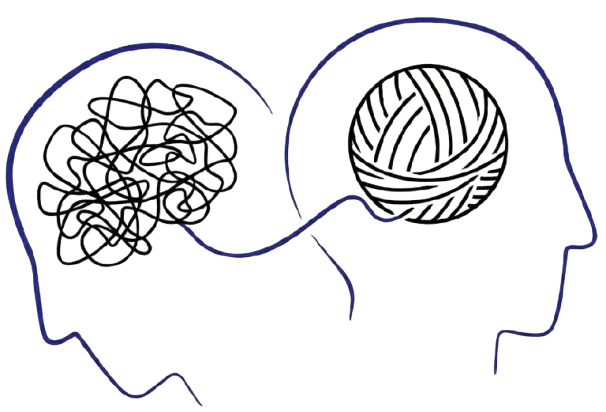
Eye Movement Desensitization and Reprocessing (EMDR) therapy is a specialized, evidence-based approach for treating trauma, anxiety, and other distressing life experiences. At Renewed Minds, Nyambura provides EMDR therapy to help clients process and heal from traumatic memories and emotional wounds.
EMDR therapy doesn't require talking in detail about the distressing issue or completing homework between sessions. Instead, it focuses on changing the emotions, thoughts, or behaviors resulting from the distressing experience, allowing the brain to resume its natural healing process.
EMDR activates the brain's natural adaptive information processing system.
Uses eye movements or other bilateral stimulation to process memories.
Helps the brain reprocess traumatic memories into less distressing forms.
Reduces emotional charge associated with traumatic memories.
EMDR therapy follows a structured eight-phase approach to ensure comprehensive treatment and client safety:
Comprehensive assessment of client history and development of treatment plan targeting specific memories.
Establishing therapeutic relationship, explaining EMDR process, and teaching coping skills for emotional regulation.
Identifying specific memories to target and associated negative beliefs, emotions, and body sensations.
Using bilateral stimulation to process the memory until it no longer causes distress.
Strengthening positive beliefs to replace original negative beliefs associated with the memory.
Checking for any residual physical tension or distress related to the memory.
Ensuring client stability at the end of each session with self-regulation techniques.
Assessing treatment progress at the beginning of subsequent sessions.
EMDR therapy is effective for a wide range of psychological concerns, particularly those related to trauma and distressing experiences:
EMDR can often achieve results more quickly than traditional talk therapy for trauma, as it works directly with the brain's information processing system rather than relying solely on cognitive restructuring.
Unlike traditional talk therapy, EMDR doesn't require extensive discussion of traumatic details. The processing occurs through the brain's natural adaptive mechanisms activated by bilateral stimulation.
EMDR is recognized as an evidence-based treatment by numerous international organizations including WHO, APA, and NICE for treating PTSD and trauma-related conditions.
Duration
90 minutes per session
Session Mode
Online or In-person
Frequency
Weekly recommended
Therapist
Nyambura, MFT
Comprehensive 90-minute EMDR session
Emergency Contact
+254707274894Email Support
nyambura@renewed-minds.comTake the first step toward processing traumatic memories, reducing emotional distress, and reclaiming your life with evidence-based EMDR therapy.